How Much Weight Can a Balcony Hold for Plants?
What UK balconies are designed to carry, what wet pots really weigh, where the heavy ones should sit, and no-drill fixes for wind - a renter's guide.
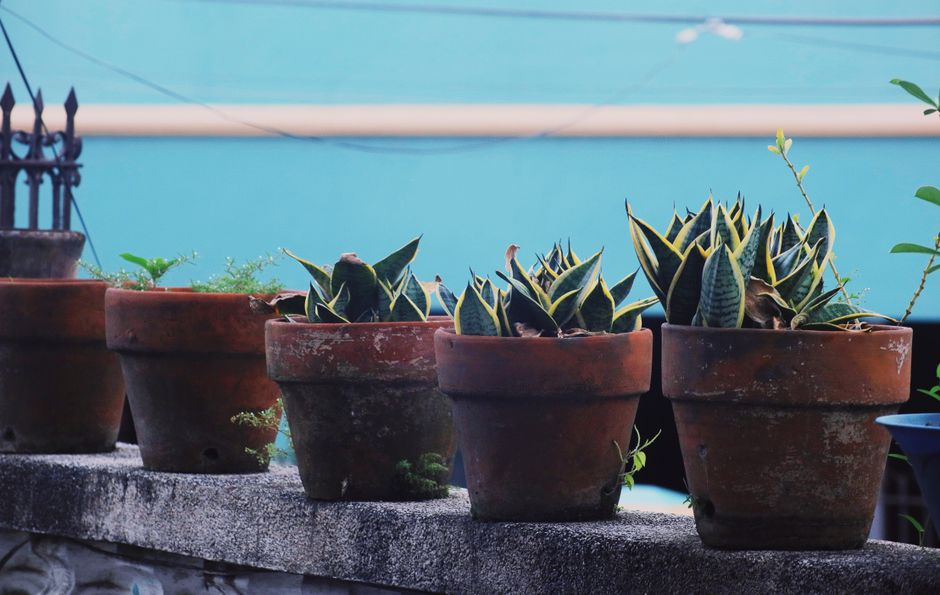
How much weight can a balcony hold? For plants, the honest answer is: more than most renters fear, less than an unlimited licence to build a raised-bed farm. UK balconies are engineered to published structural standards with healthy safety margins, but a container garden concentrates weight in ways a person standing around does not - and a renter also has a tenancy agreement to keep happy. This is the planning maths worth doing before any heavy pot goes out, written down.
How much weight can a UK balcony actually hold?
New residential balconies in the UK are designed under Eurocode structural standards (BS EN 1991-1-1 covers imposed loads), which set a minimum design load for residential balconies of 2.5 kN per square metre - roughly 250 kg on every square metre - with many designed higher. On top of that, structural design applies safety factors, so the published figure is a floor for what the balcony must carry safely, not a cliff edge where it fails.
Three things temper that comfort. First, the allowance covers everything on the balcony at once: you, a friend, the bistro set, the wet washing and the pots all share it. Second, the figure is an average across the deck - a quarter-tonne raised bed parked on one corner is a different proposition from the same weight spread along a wall. Third, the standard describes what new balconies are designed to; a 1970s cantilever (a balcony held up only at the wall end, with no posts under the outer edge) or a timber-framed Juliet conversion may have been built to older rules. For a normal collection of pots none of this should scare you. For anything you would struggle to carry in one trip - large raised beds, water butts, paving - ask the managing agent first.
How much do wet pots really weigh?
Compost arithmetic is deceptive: dry multipurpose compost weighs only around a third of a kilogram per litre, but water weighs exactly 1 kg per litre, and a saturated pot comes in at roughly 0.8 to 1 kg per litre of capacity - so a pot's litre size is close to its watered weight in kilograms. Rough working figures:
- 10 l pot, watered (herbs, salads)
- 8-12 kg
- 30 l pot, watered (tomato, dwarf shrub)
- 25-35 kg
- 40 l grow bag, watered
- 35-45 kg
- 60 l trug or half-barrel, watered
- 50-70 kg
- 1 m railing planter, filled and watered
- 10-15 kg
- Terracotta vs plastic (same size)
- Add 3-10 kg for the pot itself
- 100 l raised bed, filled and watered
- 100 kg+ - treat as furniture-grade weight
Add it up honestly for your plan, then compare it against roughly 250 kg per square metre of design allowance and most balcony gardens - a dozen mixed pots, two railing planters, a couple of trugs - come in with room to spare. What eats the margin fastest is standing water: pots sat in brimming saucers after winter rain each carry litres of dead weight, which is one more reason the winter growing setup moves indoors and the outdoor pots get lifted onto feet.
Where should the heavy pots go?
Position matters nearly as much as total weight. A balcony is strongest where it is supported - along the building wall, and over any posts or brackets - and working hardest at the free outer edge, especially on a cantilever. So the rule of thumb writes itself: heaviest containers against the wall, medium pots along the sides, and only light things - railing planters, small herbs - out at the open edge. Spread clusters rather than stacking one corner, and put big pots on pot feet so the deck beneath can drain and dry.
This is also where growing upwards pays twice: a vertical setup takes weight the floor would otherwise carry and stacks it against the wall, exactly where the structure wants it. If the plan is driven by how much you can produce, our balcony yield guide covers how far a wall of pots realistically goes.
How do you handle wind without drilling?
Wind is the other structural force, and it climbs with floor height: an eighth-floor balcony lives in a measurably windier world than a second-floor one, with gusts funnelling between buildings. Nothing about the fix requires a drill. Railing planters should clamp or strap over the rail and hang on the inside face, where a failure drops compost on your own deck rather than the street. Freestanding frames and obelisks want wide bases weighted with a heavy pot or two rather than fixings. Choose low, wide pots over tall narrow ones for anything top-heavy, pull lightweight plastic pots to the wall before named storms, and favour flexible, wind-tolerant plants at the exposed edge - ornamental grasses and thyme shrug off gusts that shred tall brassicas.
A balcony greenhouse is the extreme case: it is a sail. The same guide covers ballasting one without a single screw.
What does your tenancy actually allow?
For renters the second contract matters as much as the structure. Most tenancy agreements bar permanent alterations - which is precisely why everything above is clamp, strap, gravity and ballast rather than drill. Keep the deck's drainage paths clear (blocked balcony drains are a deposit conversation waiting to happen), keep weight sensible without written permission, and keep the reversibility test in mind for every purchase: could this leave with you in a van, and leave no mark behind? Pots, railing planters and freestanding frames all pass. Anything screwed, bolted or plumbed does not.
If you are thinking bigger about what a rented balcony is allowed to host, our sister site's guide to balcony solar panels for renters walks the same permission-and-no-drilling logic for hardware; on the growing side, everything you need fits within an ordinary tenancy.
A renter's setup checklist
Read the balcony, then the lease
Note how the balcony is supported (wall-only cantilever or posts beneath), its age and condition, and what the tenancy says about alterations and outdoor space. Anything ambitious - raised beds, water storage - gets one email to the freeholder or agent first.
Weigh the plan on paper
List planned containers and their watered weights from the table above. Compare the total, and where it concentrates, against roughly 250 kg per square metre of modern design allowance - shared with people and furniture.
Place weight where the structure is strong
Heaviest pots against the building wall and over supports, medium along the sides, light at the free edge. Pot feet everywhere, clear drainage, no brimming saucers left standing.
Fix with clamps, straps and ballast - never a drill
Railing planters clamped on the inside face, frames weighted not screwed, plastic pots pulled in before storms. Everything should pass the moving-out test: gone in a van, no trace left.
Frequently asked questions
How much weight can a balcony hold in kg?
Can a balcony hold a raised garden bed?
Are railing planters safe in wind?
Do I need my landlord's permission for balcony pots?
How do I stop pots blowing over on a high balcony?
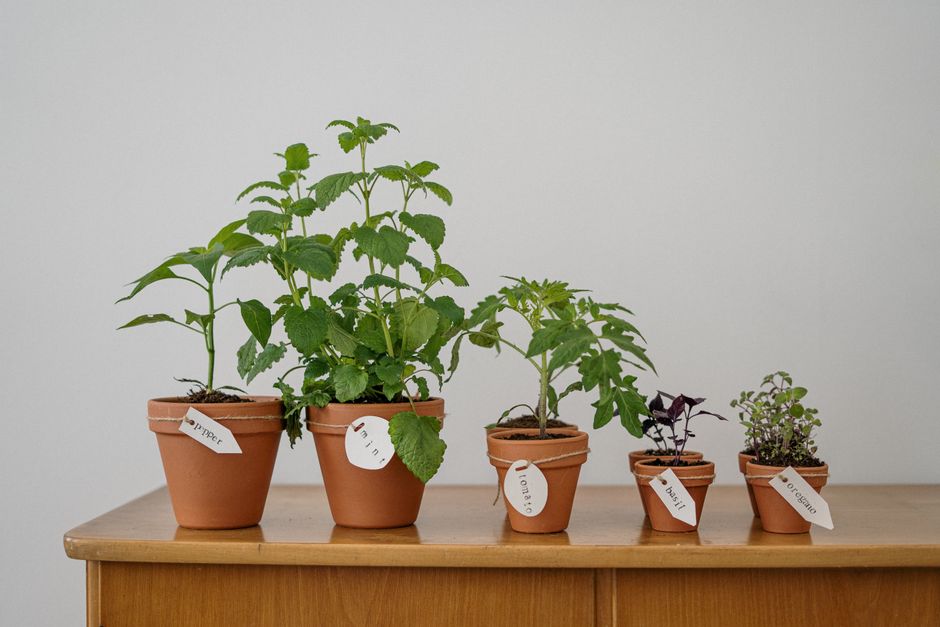
How Much Food Can You Actually Grow on a Balcony?
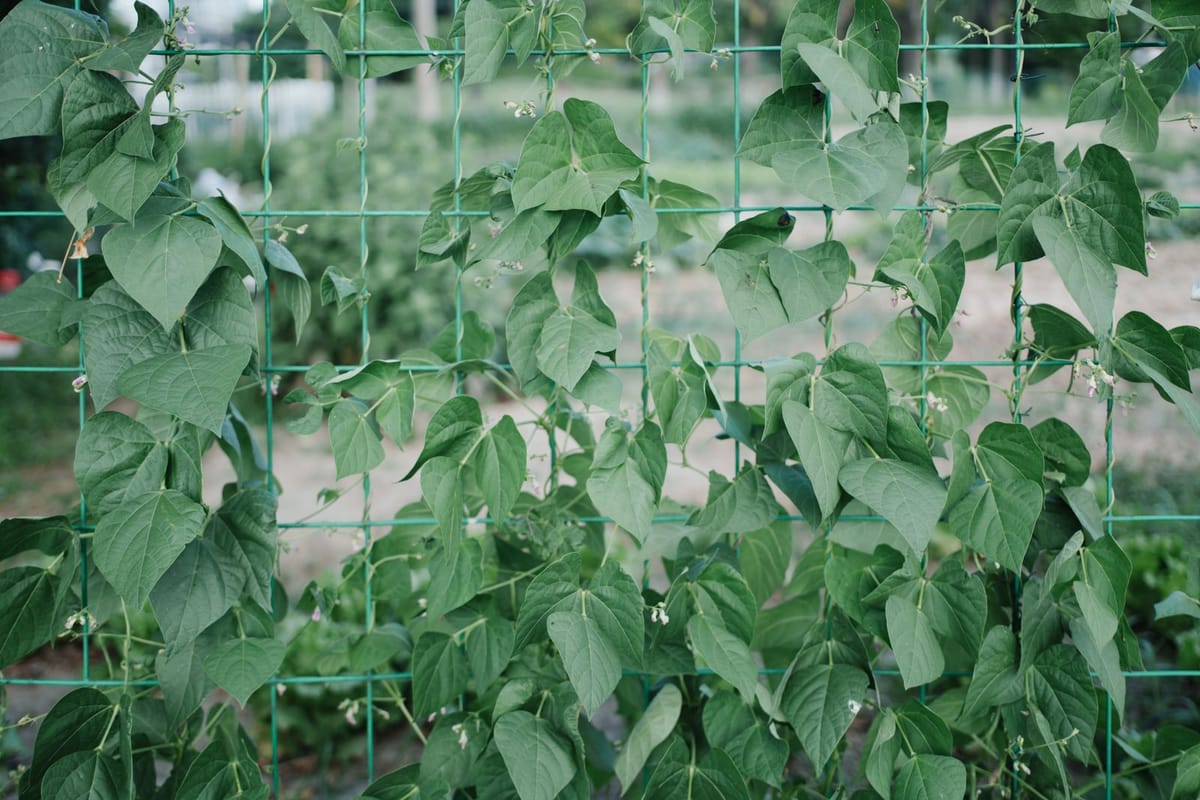
Vertical Growing on a Small Balcony
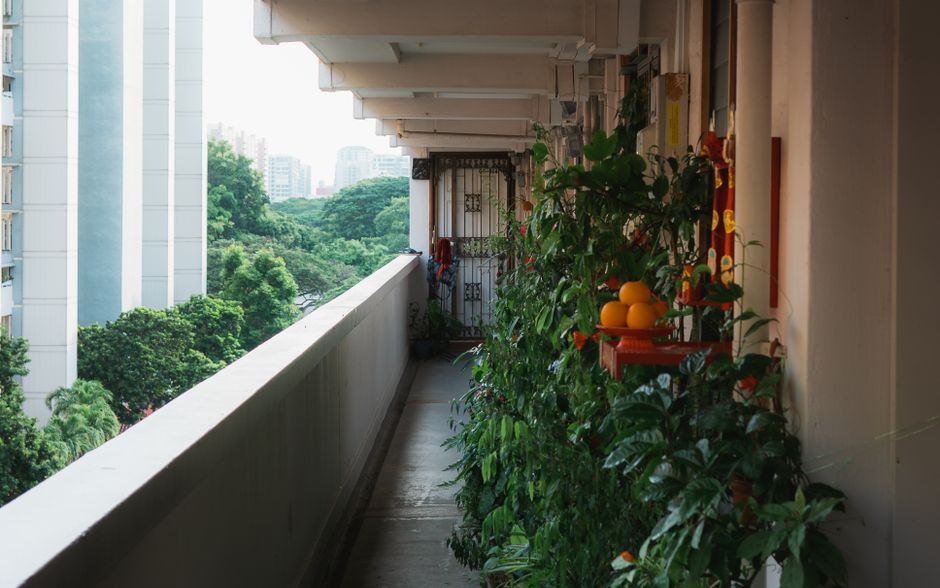
Balcony Greenhouses: What Actually Works in the UK